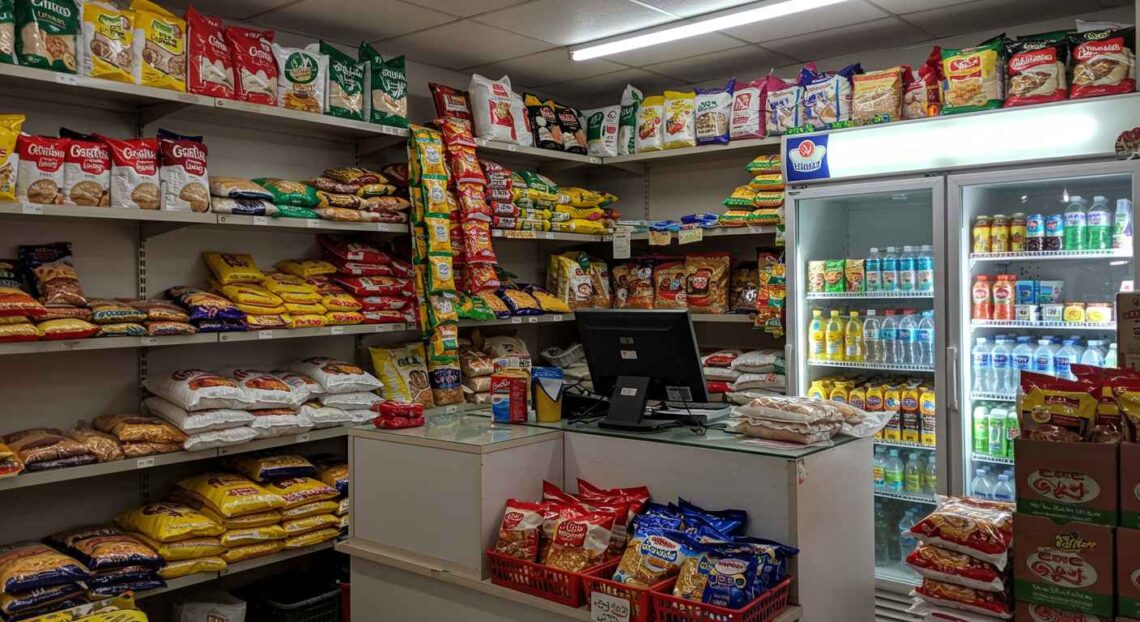
Starting a grocery store is one of the most stable and profitable small business ideas in Pakistan. Unlike trend-based businesses, grocery stores cater to daily needs — meaning they always have customers. Whether you’re planning to open a small corner shop or a mini-mart, this guide will help you understand how to plan, start, and run it successfully.
Let’s go through the complete Grocery Store Setup Guide for Beginners — from investment to inventory, suppliers, and marketing.
1. Why Start a Grocery Store?
A grocery store is an evergreen business — people buy groceries daily, no matter the economy. It offers:
- Steady daily income
- Repeat customers
- Easy to manage inventory
- Flexible size (from home-based to full mini-mart)
Even a small shop in a local area can make 30,000–100,000 PKR monthly profit, depending on location and scale.
2. Choose the Right Business Type
Before investing, decide what kind of grocery store you want to open.
a) Small Neighborhood Store (Kiryana Shop)
Perfect for small areas and residential streets.
- Low investment (100,000–200,000 PKR)
- Focus on essential items like flour, sugar, oil, rice, soap, and snacks
- Ideal for beginners
b) Mini Supermarket
A medium-sized store in a commercial area or near schools/offices.
- Investment: 400,000–800,000 PKR
- Offers variety — groceries, beverages, cosmetics, and frozen items
- Requires shelves, billing counter, and basic management system
c) Online Grocery Delivery
You can also start online by taking orders via WhatsApp, Facebook, or a website.
- Requires strong delivery setup
- Ideal for urban areas
- Helps expand your reach
Choose based on your budget, location, and manpower.
3. Select the Right Location
Location plays a big role in your grocery store’s success.
✅ Best Places:
- Residential colonies
- Near schools or hospitals
- On main roads or corners
- Inside small shopping plazas
Avoid areas that already have too many grocery stores unless you can offer better prices or service.
💡 Tip: Make sure the place has enough space for display racks, a fridge, and storage.
4. Estimate Investment and Setup Cost
Let’s break down a typical grocery store setup budget in Pakistan:
| Item | Estimated Cost (PKR) |
|---|---|
| Shop Rent & Advance | 30,000 – 70,000 |
| Store Shelves & Counters | 20,000 – 50,000 |
| Initial Inventory | 100,000 – 300,000 |
| Refrigerator (Cold Drinks, Dairy) | 30,000 – 60,000 |
| Billing Machine / POS (optional) | 10,000 – 25,000 |
| Packaging & Shopping Bags | 3,000 – 5,000 |
| Signboard & Branding | 5,000 – 10,000 |
| Miscellaneous | 10,000 – 15,000 |
Total Investment: 150,000 to 500,000 PKR (depending on shop size).
Start small — you can always expand later once profits grow.
5. Choose Your Product Range
A grocery store should always cover daily essentials so that customers visit regularly.
Here’s a checklist:
Basic Items:
- Flour, rice, pulses, sugar, salt
- Tea, coffee, spices, oil, ghee
- Dairy items (milk, yogurt, butter)
- Cold drinks, juices, water
Household Products:
- Soap, shampoo, detergent
- Toothpaste, brushes, cleaning sprays
- Tissues, garbage bags
Snacks and Packaged Foods:
- Chips, biscuits, chocolates
- Noodles, ketchup, sauces
- Instant food packets
Other Essentials:
- Eggs, bread, and frozen food
- Recharge cards and mobile balance
- Stationery (optional)
💡 Pro Tip: Focus on fast-moving items in the beginning and add premium products later.
6. Find Reliable Suppliers
Good suppliers help you maintain quality and profits.
Sources to Buy Stock:
- Local wholesale markets (like Lahore’s Akbari Mandi or Karachi’s Jodia Bazaar)
- Distributors (Nestlé, Pepsi, Unilever, National Foods)
- Local FMCG companies and dealers
- Cash & Carry outlets like Metro, Imtiaz, or Al-Fatah
Tips:
- Always compare prices from multiple suppliers
- Buy in bulk to get better discounts
- Keep relationships with distributors for better payment terms
7. Setting Up Your Store
Presentation matters — a clean and well-arranged store brings more customers.
Setup tips:
- Use wall-mounted shelves to save space
- Place fast-moving items (like cold drinks and chips) near the counter
- Keep rice, flour, and heavy goods at the back
- Label all sections clearly
- Keep your fridge clean and visible
💡 Idea: Add a small cash counter with a computer or calculator and a weighing machine for bulk goods.
8. Store Management and Record Keeping
Managing stock and sales properly helps prevent losses.
Basic management steps:
- Keep a daily sales notebook
- Record supplier payments and dues
- Monitor expiry dates regularly
- Maintain inventory lists (even in Excel or mobile apps)
Helpful free apps:
- Easy Khata
- DigiKhata
- HisabKitab
- Google Sheets
9. Marketing and Customer Attraction
Even a small store can attract big crowds with simple marketing.
Effective ideas:
- Use WhatsApp for orders — share daily offers and promotions.
- Offer small discounts on first-time buyers.
- Loyalty cards — like “Buy 10 times, get Rs. 200 off.”
- Use Facebook or Google Maps to list your store online.
- Attractive signboard and clean display area.
💡 Pro Tip: Keep a small “offer section” for discounted or new products — it catches customers’ attention instantly.
10. Legal and Licensing Requirements
Although small stores may not require full registration, having basic documentation is smart.
- CNIC and shop rent agreement
- Local authority trade license (if required)
- Business name registration (optional but professional)
- NTN (if you plan to expand or go online)
Having a registered business helps if you ever plan to supply to offices, schools, or online apps.
11. Profit Margin and Daily Income
Profit depends on the type of products you sell:
| Product Type | Average Profit Margin |
|---|---|
| Basic grocery (rice, sugar, etc.) | 5–10% |
| Snacks, beverages | 10–20% |
| Personal care, cosmetics | 15–30% |
| Frozen or branded items | 8–15% |
💰 On average, a small grocery store earns 1,500–3,000 PKR/day, growing as the customer base expands.
12. Common Mistakes to Avoid
- Overstocking slow-moving products
- Ignoring expiry dates
- Poor cleanliness and lighting
- Not tracking daily sales
- No customer service or offers
A well-organized store always performs better than a messy one.
13. Growth and Expansion Ideas
Once your grocery business starts earning profit, expand gradually:
- Add a home delivery service
- Sell via online grocery apps
- Introduce cashless payments (Easypaisa, JazzCash)
- Offer combo packs and monthly grocery boxes
- Open another branch in nearby areas
💡 Bonus Idea: Add a small bakery corner (bread, eggs, biscuits) to increase foot traffic.
Final Thoughts
Starting a grocery store is one of the safest and most consistent businesses in Pakistan. It doesn’t require technical skills — just smart buying, cleanliness, and good customer relations.
Begin small, serve your area honestly, and keep improving your product range. Within months, your store can turn into a trusted brand in your neighborhood — and eventually, a profitable mini-mart.