Starting a homemade snacks business is one of the most profitable and easy-to-manage ideas in Pakistan. Everyone loves tasty snacks — whether it’s tea-time, movie night, or a family gathering. The best part is that this business requires low investment, can be run from your kitchen, and offers high profit margins.
If you have good cooking skills and a little creativity, you can turn your passion into a growing income source. Let’s go step by step and see how you can build a successful homemade snacks business with proper planning.
1. Why Start a Homemade Snacks Business?
Homemade snacks have a natural advantage — they’re fresh, hygienic, and trustworthy. People today are more health-conscious and prefer home-cooked, preservative-free food over packaged ones.
Here are a few reasons why this business makes sense:
- ✅ Low investment (you can start under 50,000 PKR)
- ✅ High demand all year round
- ✅ You can work from home
- ✅ Easy to scale — start small and grow big
- ✅ Great for women, students, and home-based entrepreneurs
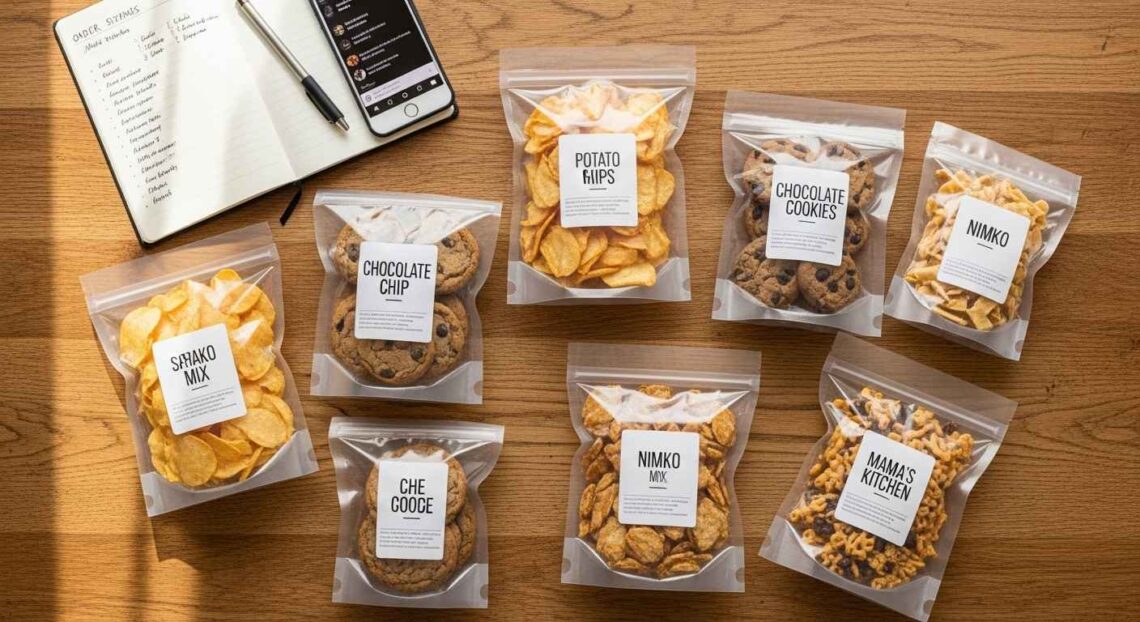
So whether you specialize in chips, nimko, cookies, samosas, or baked snacks, there’s always a market waiting for quality homemade food.
2. Choosing the Right Snacks
Before you start, decide what kind of snacks you want to make. Don’t try to make everything at once — start with a few items that are easy to prepare and popular in your area.
Here are some top-selling options:
- Nimko (mixture, peanuts, daal, and crispy items)
- Potato chips and French fries
- Cookies and biscuits
- Cupcakes and small cakes
- Dry fruit mix and roasted snacks
- Popcorn and masala corn
- Mini samosas or rolls (frozen snacks)
💡 Tip: Visit local markets or bakeries to observe what sells fast — this will help you understand demand.
3. Investment and Setup Cost
You don’t need a big factory setup. Start from your home kitchen and use basic cooking equipment.
Here’s an estimated cost breakdown for a small start:
| Item | Approx. Cost (PKR) |
|---|---|
| Raw materials (flour, oil, spices, packaging) | 15,000 |
| Kitchen utensils & pans | 10,000 |
| Packaging materials | 5,000 |
| Branding & labeling | 5,000 |
| Marketing & delivery setup | 10,000 |
| Total Estimate | 45,000–50,000 PKR |
💡 Tip: Reinvest your profits to buy better tools and ingredients as you grow.
4. Creating a Brand Identity
Branding plays a big role — even if you’re selling from home.
Think of a simple, catchy business name like Snacky Bites, Crispy Corner, or Tasty Treats by [Your Name].
Create a small logo using free tools like Canva, and print basic labels or stickers for your packages. This helps you look professional and builds trust with customers.
Don’t forget to design neat packaging. Clean, attractive packets will make your snacks stand out.
5. Packaging and Hygiene
People judge your product by how it looks. Good packaging not only attracts buyers but also keeps your snacks fresh and safe.
Follow these packaging tips:
- Use airtight, food-grade plastic bags or pouches
- Add a label with your brand name, ingredients, and contact info
- Include a manufacturing date and expiry date
- Always wear gloves and maintain hygiene while cooking and packing
💡 Tip: Consider eco-friendly packaging to attract conscious customers.
6. Marketing & Selling Your Snacks
You can sell your homemade snacks both offline and online.
Offline Options:
- Local grocery stores
- Tea stalls and canteens
- Schools, offices, or event catering
- Word-of-mouth referrals in your neighborhood
Online Options:
- Create a WhatsApp Business account with product photos
- Use Facebook Marketplace or Instagram to promote
- Offer small sample packs to influencers or local food bloggers
- Register on delivery apps (Foodpanda HomeChef, Cheetay, etc.)
💡 Tip: Start with your friends and family network — they’ll be your first loyal customers and promoters.
7. Pricing Strategy
Decide prices based on your cost per pack and desired profit.
For example:
- If 1 pack costs you 40 PKR to make (including packaging), you can sell it for 70–80 PKR.
- Keep prices slightly lower than commercial brands but higher than street vendors — this shows quality.
💡 Tip: Offer bundle discounts (like 3 packs for 200 PKR) to attract more buyers.
8. Legal Requirements (Optional)
If your business grows, you can register it for better credibility:
- FBR Registration for business account
- Food License from your local authority
- Business Name Registration (SECP or relevant department)
In the beginning, this isn’t mandatory — but it’s useful when expanding or supplying to stores.
9. How to Grow Your Business
Once your snacks become popular, you can:
- Add new products like cakes, nimko mix, or dry snacks
- Supply to local shops or cafés
- Create a small website or Facebook Page
- Take bulk orders for events and offices
- Collaborate with delivery apps for home delivery
💡 Pro Tip: Always collect customer feedback and improve the recipe or packaging based on suggestions.
10. Profit Margin and Income Potential
Homemade snack businesses can offer 30% to 60% profit margins, depending on the product type.
If you sell 30–40 packs a day with a profit of 30 PKR per pack, that’s about 900–1200 PKR per day — roughly 25,000–35,000 PKR per month, even at a small scale.
As your sales increase and brand recognition grows, your income can easily double or triple.
Final Thoughts
Starting a homemade snacks business is a perfect example of how a small idea can turn into a profitable brand. You don’t need a huge investment or professional kitchen — just dedication, hygiene, and quality.
Stay consistent, maintain taste and freshness, and market smartly. People will come back for more because good taste always sells.
If you believe in your product, soon your home kitchen could become a mini snack factory!