Fashion is one of the fastest-growing industries worldwide — and starting a small clothing boutique is one of the best ways to enter it. Whether online or offline, a boutique lets you showcase creativity, style, and trends while earning great profits. The best part? You don’t need a massive investment to start. Even with 50,000–100,000 PKR, you can begin small and grow step by step.
This guide explains how to start your own boutique business, from choosing the right niche to marketing and making profits.
1. Why Start a Boutique Business?
People never stop buying clothes — festivals, weddings, parties, seasons, or daily wear — fashion is always in demand. A boutique allows you to offer unique, stylish, and customized designs that attract modern buyers.
Key reasons to start:
- Low startup cost compared to large fashion stores
- Can start from home or online
- Huge profit margin (40–70%) on every sale
- Great scope for creativity and brand building
- You can target specific audiences like women, kids, or casual wear
If you love fashion, fabrics, and styling — this business can be both profitable and enjoyable.
2. Decide Your Niche
The biggest mistake beginners make is trying to sell everything. Instead, focus on one clear niche.
Here are some profitable boutique niches:
| Niche | Target Audience | Examples |
|---|---|---|
| Women’s Fashion | 18–40 years | Kurtis, abayas, tops, dresses |
| Men’s Wear | 20–45 years | Casual shirts, T-shirts, jeans |
| Kids’ Clothing | Parents | Fancy dresses, party wear |
| Ethnic & Traditional Wear | Cultural buyers | Shalwar kameez, lehengas, dupattas |
| Western & Fusion Wear | Youth | Tops, jumpsuits, skirts |
| Customized Outfits | Fashion lovers | Hand-stitched, embroidered, made-to-order clothing |
Start small with one niche, then expand later based on demand.
3. Choose Your Business Model
You can start your boutique in several ways, depending on your budget and skills:
(a) Home-Based Boutique
Perfect for beginners. Use a room at home to store clothes and promote via WhatsApp or Instagram.
- Low rent cost
- Great for tailoring or resale
- Ideal for local customers
(b) Online Boutique
Create a website or sell via Instagram, Facebook Marketplace, or Daraz.
- No need for physical space
- Wider reach
- Requires good photography and delivery setup
(c) Small Shop or Stall
If you have a higher budget, open a small boutique in a busy market or near schools/offices.
- Attracts walk-in customers
- More professional setup
- Higher rent but better visibility
Choose a model that fits your location and financial comfort.
4. Estimate Your Investment
Here’s a basic cost breakdown for a small boutique:
| Item | Estimated Cost (PKR) |
|---|---|
| Clothing stock (initial) | 30,000 – 60,000 |
| Rent or space setup | 10,000 – 20,000 |
| Racks, hangers, mirrors | 5,000 – 8,000 |
| Signboard, branding | 3,000 – 6,000 |
| Marketing (social media, flyers) | 2,000 – 5,000 |
| Miscellaneous (bills, packaging) | 3,000 – 5,000 |
Total Estimated Cost: 50,000 – 100,000 PKR
You can reduce this further by starting from home or focusing online first.
5. Find Reliable Suppliers
Getting the right clothes at the right price is key to your success.
Ways to source clothes:
- Visit local wholesale markets (like Karachi’s Bolton Market or Lahore’s Ichhra Bazaar)
- Connect with tailors for custom designs
- Partner with local manufacturers or boutiques
- Import unique pieces from China or Turkey (if budget allows)
Always check fabric quality, stitching, and price margin before finalizing.
💡 Tip: Start with 20–30 unique designs instead of bulk stock. This keeps your collection fresh and trendy.
6. Branding Your Boutique
Branding is what turns a small store into a memorable fashion name.
Branding checklist:
- Choose a catchy name (e.g., “Trendina,” “Modish Closet,” “Urban Attire”)
- Design a simple logo using Canva or Fiverr
- Create elegant shopping bags or tags
- Keep consistent color themes on your Instagram and shop setup
💡 Pro Tip: A clean, aesthetic look instantly builds customer trust and gives your boutique a premium feel.
7. Setting Up the Boutique
If you’re opening a physical shop:
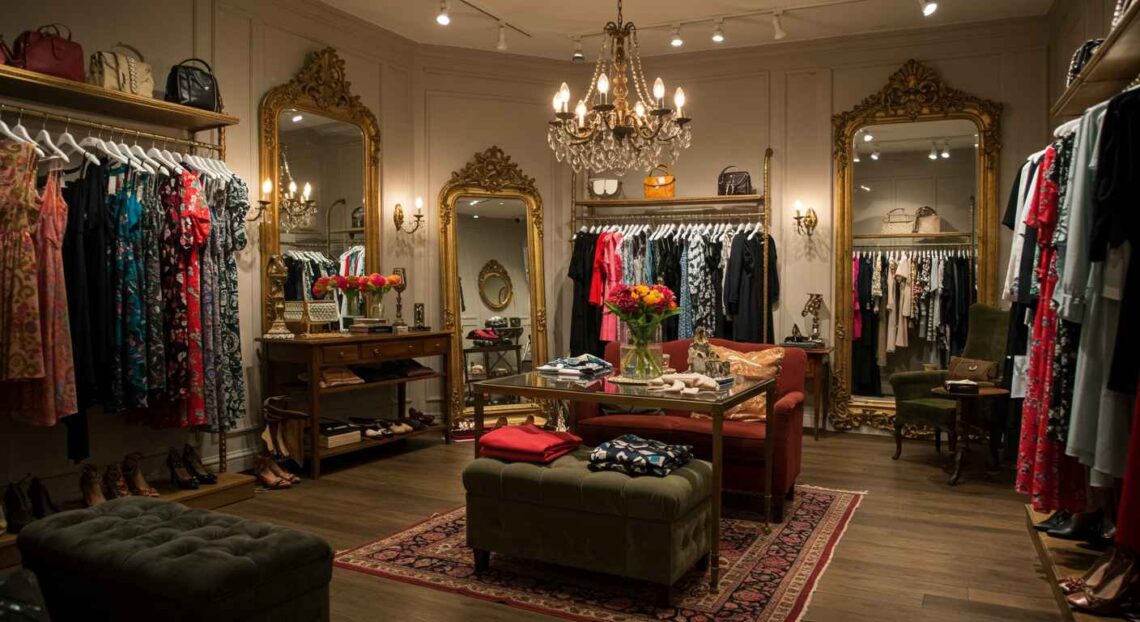
- Arrange your display neatly — group clothes by color or category
- Add a mirror and trial area if possible
- Play soft background music for a welcoming vibe
- Use proper lighting to highlight your clothes
If online:
- Take high-quality photos in daylight
- Use models or mannequins
- Write short, attractive descriptions with prices
- Update your page regularly with new arrivals
8. Marketing Strategies That Work
You don’t need big ads — just smart marketing.
Free & low-cost ideas:
- Create an Instagram and Facebook page
- Post daily with outfit photos, styling tips, or customer reviews
- Offer small discounts for first orders
- Collaborate with local influencers
- Encourage customers to tag your boutique in their photos
- Use WhatsApp status and groups for regular updates
💡 Bonus Idea: Arrange a small fashion pop-up at a local event or university. It builds exposure and quick sales.
9. Pricing and Profit Margin
Your profit depends on smart pricing.
- Keep 40–70% margin on each item
- Example: If a dress costs Rs. 1,000, sell it for Rs. 1,500–1,700
- Offer combo deals or festival discounts to attract buyers
Track your costs (fabric, stitching, transport) and set prices accordingly.
10. Managing Daily Operations
Success in a boutique is all about consistency and customer satisfaction.
Daily tasks include:
- Checking stock and updating inventory
- Tracking orders or deliveries
- Managing social media posts
- Responding politely to customer queries
- Keeping records of sales and expenses
Use simple tools like Excel or Google Sheets to manage your business smoothly.
11. Common Mistakes to Avoid
- Buying too much stock in one style
- Ignoring social media presence
- Using low-quality fabrics
- Poor photography for online pages
- Not maintaining good customer relationships
Stay consistent, professional, and open to customer feedback.
12. Growth and Expansion
Once your boutique starts earning steady income, you can grow further by:
- Launching your own clothing label
- Partnering with tailors for exclusive designs
- Selling through eCommerce platforms like Daraz or Shopify
- Expanding into accessories (bags, scarves, jewelry)
- Hiring a stylist or photographer for brand shoots
The more your brand feels “premium,” the faster you’ll attract loyal buyers.
13. Future Opportunities
The boutique business can evolve into:
- A fashion design studio
- An online store with global reach
- A franchise or multi-branch boutique
- A clothing manufacturing brand
With consistent quality and branding, you can transform a small setup into a recognized fashion label.
Final Thoughts
A small clothing boutique is more than just selling clothes — it’s about selling style, confidence, and creativity. With smart planning, minimal investment, and online marketing, anyone can turn their fashion passion into a profitable business.
Start small, focus on your niche, build your name slowly — and you’ll soon have a boutique that stands out in your city or online marketplace.